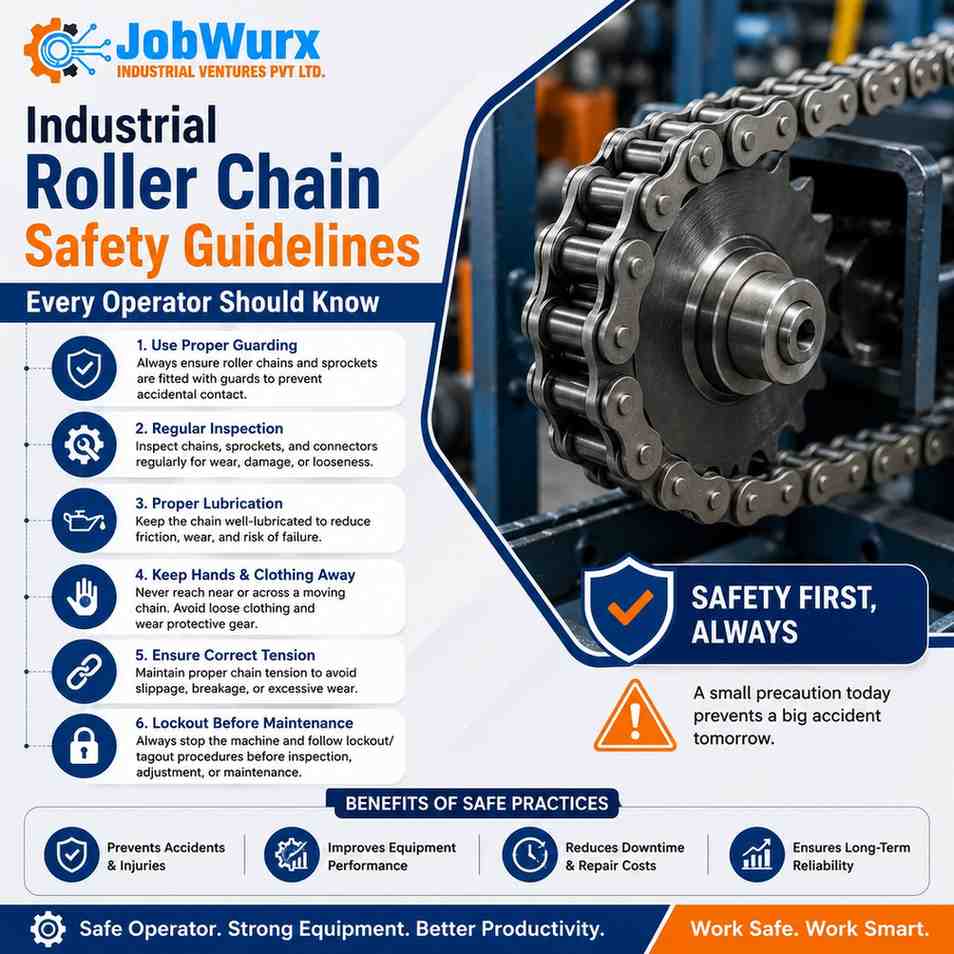
Industrial Roller Chain Safety Guidelines Every Operator Should Know
- By: Expert Team
- May 13, 2026
Industrial machinery relies heavily on efficient power transmission systems, and the Industrial Roller Chain remains one of the most trusted components across manufacturing, material handling, agriculture, mining, and packaging industries. While roller chains are known for their durability and reliability, improper handling or maintenance can lead to equipment damage, costly downtime, and serious workplace injuries.
For operators, maintenance teams, and plant managers, understanding roller chain safety is not just a best practice—it is an essential part of maintaining a safe and productive work environment.
Why Roller Chain Safety Matters
Roller chains operate under significant loads and at varying speeds. A worn, improperly installed, or poorly maintained chain can fail unexpectedly, potentially causing injuries and disrupting operations.
Whether you are working with a standard Industrial Roller Chain, a Duplex Roller Chain designed for higher load capacities, or a Multi Strand Roller Chain used in demanding industrial applications, following proper safety procedures can significantly reduce operational risks.
Always Perform Pre-Operation Inspections
Before starting any equipment, operators should conduct a visual inspection of the chain system.
Look for:
- Excessive chain wear
- Corrosion or rust
- Damaged rollers or links
- Misalignment between sprockets
- Loose chain tension
- Missing safety guards
Identifying minor issues early helps prevent major failures and ensures smoother machine performance.
Never Operate Equipment Without Chain Guards
Chain guards serve as the first line of defense against accidental contact with moving components.
Removing or bypassing safety guards may seem convenient during maintenance or troubleshooting, but it significantly increases the risk of injury. Operators should never start machinery until all protective covers and guards are securely installed.
Follow Proper Lockout/Tagout Procedures
Maintenance work should never be performed on energized equipment.
Before inspecting, cleaning, lubricating, or replacing a chain:
- Shut down the machine completely.
- Disconnect all power sources.
- Apply lockout/tagout procedures.
- Verify that the equipment cannot restart unexpectedly.
This simple process prevents accidental machine activation and protects maintenance personnel.
Maintain Correct Chain Tension
Incorrect tension is one of the most common causes of premature chain failure.
A chain that is too tight can increase stress on bearings, sprockets, and shafts. Conversely, an overly loose chain may skip teeth, create excessive vibration, or derail during operation.
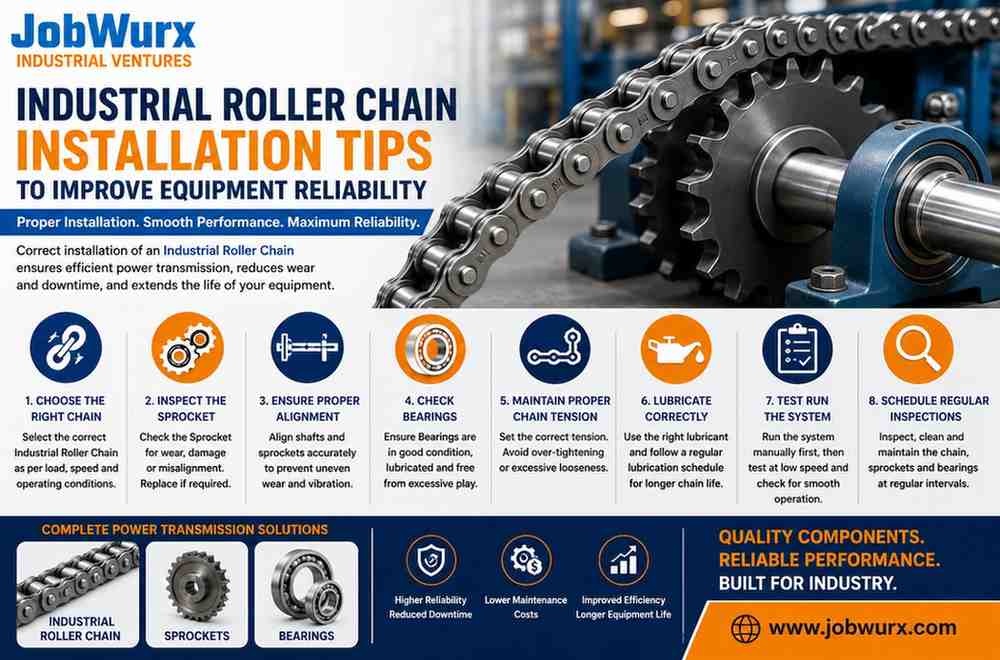
Regular tension checks help maximize the lifespan of your Industrial Roller Chain while maintaining safe machine performance.
Use Proper Lubrication Practices
Lubrication reduces friction between chain components and minimizes wear.
Best practices include:
- Using manufacturer-recommended lubricants
- Lubricating at regular intervals
- Cleaning chains before re-lubrication
- Avoiding excessive lubricant buildup that attracts dust and debris
Proper lubrication is particularly important for Duplex Roller Chain systems that often handle higher operational loads and stresses.
Wear Appropriate Personal Protective Equipment (PPE)
Operators and maintenance personnel should always use suitable protective gear when working near chain-driven equipment.
Recommended PPE includes:
- Safety glasses
- Protective gloves
- Safety footwear
- Close-fitting work clothing
Loose clothing, jewelry, or long hair should always be secured to prevent entanglement with moving machinery.
Replace Worn Components Promptly
Chain systems should be viewed as complete assemblies.
When a chain reaches its wear limit, inspect associated components such as:
- Sprockets
- Bearings
- Shafts
- Tensioners
Replacing only the chain while leaving worn sprockets in service often accelerates wear and compromises safety.
Ensure Proper Installation
Incorrect installation can shorten chain life and create safety hazards.
Key installation guidelines include:
- Verifying sprocket alignment
- Ensuring proper chain length
- Using correct connecting links
- Following manufacturer torque specifications
- Testing operation at low speed before full production
This is especially important for Multi Strand Roller Chain systems where load distribution across multiple strands must remain balanced for safe operation.
Train Operators Regularly
Even the best equipment can become unsafe when operators lack proper training.
Effective training programs should cover:
- Equipment operating procedures
- Hazard identification
- Emergency shutdown protocols
- Routine inspection techniques
- Maintenance reporting procedures
Well-trained operators are more likely to recognize warning signs before a minor issue becomes a serious problem.
Watch for Common Warning Signs
Operators should immediately report any of the following:
- Unusual noise from chain drives
- Excessive vibration
- Chain jumping or slipping
- Visible chain elongation
- Overheating components
- Uneven wear patterns
Prompt action helps prevent equipment failure and enhances workplace safety.
Building a Safer Industrial Environment
Industrial roller chains are designed to deliver dependable performance under demanding conditions. However, safety depends on more than just the quality of the chain—it requires proper installation, regular maintenance, operator awareness, and adherence to established safety procedures.
At JobWurx Industrial Ventures Pvt Ltd, we understand the critical role that reliable power transmission components play in industrial operations. By following these essential safety guidelines, businesses can improve equipment reliability, reduce downtime, and create a safer working environment for every operator.
Final Thoughts
Safety should never be treated as an afterthought when working with chain-driven machinery. Whether your facility uses a standard Industrial Roller Chain, a high-capacity Duplex Roller Chain, or a heavy-duty Multi Strand Roller Chain, proactive maintenance and operator training remain the foundation of safe and efficient operations.
Investing in safety today helps protect employees, improve productivity, and extend the service life of critical industrial equipment for years to come.